The keto diet plan you found online does not tell you what to cook on Thursday when your...
PCOS Food Guide: What to Eat and What to Limit in 2026
You already know what you should be eating. Your doctor said something about whole grains, more protein, less sugar. Your nutritionist gave you a list. You looked at it, nodded, and went home.
Nobody told you what to actually cook on Tuesday night when the list is on the fridge and the fridge has half a cabbage and some curd that expires tomorrow.
If you are managing PCOS, the gap between knowing the right foods and getting them onto a plate at seven in the evening is the part that matters most. AnyFeast gives you a practical way to close that gap. What follows is what to eat more often, what to limit, and how to build a simple plate on a weeknight without turning dinner into a project.
Key Takeaways: PCOS Food Guide
- Protein and fibre at every meal slow digestion and keep hunger more predictable throughout the day.
- Refined carbohydrates and added sugars spike hunger faster than most whole foods.
- Skipping meals makes evening cravings worse and can push you straight toward a delivery app.
- AnyFeast builds weekly meal plans around your household so the deciding is done before seven o'clock.
- A practical plate formula of protein, vegetables, and complex carbohydrates works for breakfast, lunch, and dinner.
What Is a PCOS Food Pattern and Why Does It Matter?
Why Food Choices Affect Energy, Hunger, and Your Routine
PCOS affects how your body processes insulin. When insulin stays high, hunger signals become louder, energy drops after meals, and the urge to reach for something quick becomes harder to ignore. The foods you eat either slow that cycle down or speed it up.
A 2025 comprehensive review published in the Journal of Health, Population and Nutrition found that eating patterns emphasising whole grains, lean protein, and healthy fats improved insulin sensitivity in women with PCOS. You have likely heard some version of that before.
The part that gets ignored is this: knowing which foods help means nothing if you cannot get them onto a plate at the end of a long day. The work is not finding the right foods. The work is making those foods show up in your kitchen when you need them.
What This Way of Eating Does Not Claim to Do
A word about health, because this matters and we would rather be plain about it.
No eating approach reverses PCOS. No food plan guarantees a number on a blood report. Your doctor and your nutritionist decide what you should be eating based on your specific situation. That is their job and we are not going to pretend otherwise.
What food choices can do is make the day-to-day easier. Steadier energy. Fewer crashes at three in the afternoon. Less of that frantic hunger that makes ordering in feel like the only reasonable option. That is a meaningful difference, even if it is not a clinical one.
What to Eat More Often When You Are Managing PCOS
Protein-Rich Foods That Help Build Steadier Meals
Protein slows digestion. When you pair it with vegetables and a complex carbohydrate, the meal holds you for longer. That matters because hunger is the thing that derails plans, not lack of willpower.
Good options include eggs, paneer, chicken, fish, lentils, chickpeas, and Greek yoghurt. If you are vegetarian, dal and rajma are staples that deliver protein without requiring anything elaborate.
A 2025 systematic review in Nutrition and Diabetes found that higher-protein eating patterns improved both glucose metabolism and satiety in women with PCOS. Protein keeps blood sugar from dropping as sharply after a meal. Less of that restless hunger two hours later.
High-Fibre Foods That Slow the Meal Down
Fibre works alongside protein. It adds bulk and slows how fast glucose enters your bloodstream. Foods with higher fibre content keep you full for longer. That directly reduces the number of decisions you have to make about food throughout the day.
Brown rice, oats, vegetables like broccoli and spinach, and most legumes are high in fibre. A meta-analysis in Nutrients found that women with PCOS who consumed more fibre had lower fasting insulin levels and improved lipid profiles.
The practical takeaway: swap white rice for brown rice a few nights a week. Add a fistful of spinach to dal. These are small changes that add up because they are small enough to actually happen on a Wednesday.
Fats and Carbs That Make Meals Easier to Stick With
Not all fats are the same, and carbohydrates are not the enemy. Olive oil, nuts, avocado, and fatty fish like salmon provide fats that support insulin function rather than working against it.
For carbohydrates, the distinction is between foods that release glucose slowly and foods that do not. Whole grains, sweet potatoes, and legumes fall into the first category. Maida, white bread, and sugary snacks fall into the second.
A 2026 randomised controlled trial published in BMC Endocrine Disorders found that women with PCOS who reduced free sugar intake for 12 weeks saw significant reductions in body weight, fasting blood glucose, and triglyceride levels. The participants did not follow an extreme plan. They simply reduced the amount of added sugar in their meals.
What to Limit When You Are Managing PCOS
Foods That Spike Hunger and Make Planning Harder
Refined carbohydrates, sugary drinks, packaged snacks, and fried foods push blood sugar up quickly and bring it down just as fast. That rapid drop creates the cycle: eat, crash, crave, repeat. It makes the evening harder because by seven o'clock your body is asking for quick energy, and the delivery app already knows your address.
Limiting these foods is not about being perfect. It is about reducing the number of times per week you end up in that cycle. Three fewer sugary teas a week. Brown rice instead of white rice at dinner. A handful of roasted chana instead of a packet of biscuits at four in the afternoon.
Why Skipping Meals Can Backfire
When you skip breakfast or lunch, your blood sugar drops lower than it should. By the time evening arrives, you are hungrier than you would have been if you had eaten a simple meal earlier. That extra hunger is the thing that turns a planned dinner into an impulsive order.
For women managing PCOS, where insulin sensitivity is already compromised, skipping meals makes the pattern worse. Eating at roughly regular intervals, even if the meals are simple, keeps blood sugar more stable and gives you a better chance of sticking with the plan you made at the start of the week.
How to Build a Simple PCOS Plate at Home
A Practical Plate Formula for Breakfast, Lunch, and Dinner
One-third protein. One-third vegetables or salad. One-third complex carbohydrate. That is the plate.
Breakfast: two eggs, a small bowl of sauteed spinach, one slice of whole grain toast. Or a moong dal chilla with mint chutney and cucumber on the side. Twenty minutes, and the meal carries you through to lunch without that mid-morning crash.
Lunch: rajma with brown rice and a side of cucumber raita. Or grilled chicken with roasted sweet potato and a green salad. The key is not the specific recipe. The key is that protein and fibre are present and the meal takes less than 30 minutes to prepare.
Dinner: palak paneer with a roti and a bowl of dal. Or baked salmon with steamed broccoli and quinoa. The plate formula stays the same. The ingredients change based on what is in the kitchen.
Easy Indian Meal Ideas for Busy Weekdays
Monday: moong dal chilla for breakfast. Chole with brown rice for lunch. Palak paneer with roti for dinner.
Wednesday: poha with peanuts and vegetables for breakfast. Masoor dal with a side of salad for lunch. Grilled paneer tikka with sauteed vegetables for dinner.
Friday: besan chilla with curd for breakfast. Rajma chawal with raita for lunch. Fish curry with steamed rice and a green vegetable for dinner.
These are not complicated meals. Every recipe takes 20 to 30 minutes using ingredients from any neighbourhood store. A plan that requires two hours of cooking on a weeknight is not a plan.
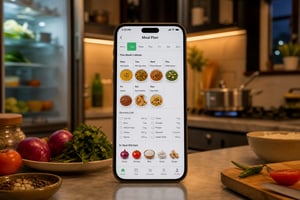
AnyFeast builds personalised weekly plans around exactly this kind of cooking. You tell us what you are managing and who you are cooking for. The plan arrives with a shopping list and prep times. The ingredients come to your door. You cook.
Common PCOS Food Mistakes to Avoid
Trying to Be Perfect All Week
A plan you cannot live with is not a plan, and the week that requires you to be perfect is the week you quit by Wednesday. One lunch out does not undo five days of home-cooked meals. One evening where you order in does not mean the week failed.
Build the flexibility into the plan from the beginning. Sunday lunch is deliberately unstructured. Eat out. Order something. The rest of the week works because that one meal gives you room to breathe.
Relying on Advice Without a Plan
Advice is everywhere. Lists of PCOS-friendly foods are on every health website. The problem is not the advice. The problem is that advice without a plan turns into options, and options at seven in the evening are not help. Options at seven in the evening are how you end up ordering in for the fourth time this week.
The difference between knowing and doing is a shopping list, a set of recipes that take 25 minutes, and ingredients that are already in the kitchen. That is the gap. AnyFeast fills it.
In Conclusion: How to Make PCOS Food Guidance Easier to Follow
The foods that help when you are managing PCOS are not unusual. Protein, fibre, whole grains, healthy fats, vegetables. You already know them. Your doctor has already told you.
The part that changes what you actually eat is the part that happens between the advice and the kitchen. A plan for the week. A list of what to buy. Recipes that take less than 30 minutes. Ingredients that show up before you have to think about them.
Everyone else is selling the advice. AnyFeast handles the part that comes after. That is a smaller promise than most food apps make. It is also the one that changes what you actually eat this week.
FAQs about PCOS Food Guidance
What is a good breakfast when you are managing PCOS?
A breakfast with protein and fibre keeps blood sugar steady through the morning. Eggs with vegetables, moong dal chilla with curd, or oats with nuts and seeds are all practical choices. AnyFeast plans personalised breakfasts that take under 20 minutes and account for your household's preferences.
Which foods should people managing PCOS limit?
Refined carbohydrates, sugary drinks, packaged snacks, and fried foods push blood sugar up quickly and bring it down just as fast. Reducing these foods helps keep hunger more predictable and makes it easier to stick with your weekly plan. AnyFeast meal plans are built around foods that release energy slowly, so the work of deciding what to avoid is already done.
Can a vegetarian way of eating still include enough protein for PCOS?
Yes. Dal, rajma, chole, paneer, Greek yoghurt, and eggs all provide meaningful protein. Combining legumes with whole grains at a meal improves amino acid coverage without requiring meat. AnyFeast creates vegetarian meal plans that meet protein targets using ingredients available at any Indian grocery store, with quantities and prep times included.